VERPSTĖ / Tradition
Lithuanian distaffs: from spinning tool to wood art
The distaff held flax or wool ready for spinning. Its carved surface also became a place for ornament and personal expression. Today, this familiar Lithuanian form continues as a decorative work for the home or a gift.
The History and Purpose of Lithuanian Distaffs
Distaffs were an essential part of everyday life in rural Lithuania. Flax or wool fibers were attached to the wooden distaff and spun into yarn using a spindle. The resulting threads were then used to weave fabrics for clothing and household textiles.
Distaffs were particularly common during the 18th and 19th centuries. Over time, spinning wheels gradually replaced them, although traditional distaffs remained in use in some parts of Lithuania until the early 20th century.
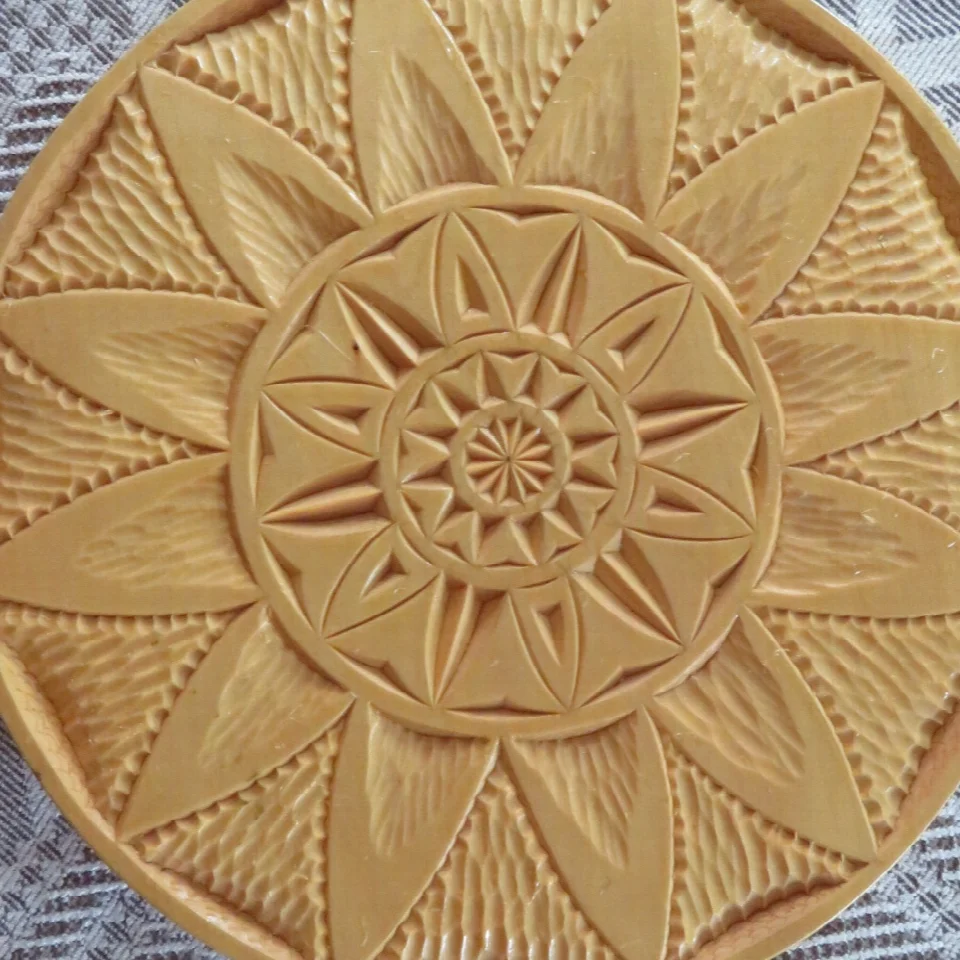
Made from wood, distaffs varied in shape and decoration depending on regional traditions and the individual craftsman's creativity. Special attention was given to decorative carvings, transforming even an ordinary household tool into a remarkable piece of folk art.
A Distaff – A Traditional Gift of Love and Affection
Carved distaffs are associated with the tradition of giving a carefully made object as a sign of affection and attention. Ornament, initials or a date could make a gift personal. A contemporary distaff can continue that idea as a wedding, anniversary or housewarming gift.
From an Everyday Tool to a Work of Art
These contemporary carvings are offered as decorative works. When choosing, compare their size, wood and silhouette, and consider the space where the piece will be displayed. For questions about mounting or a particular detail, contact the workshop with the work’s name.